
Get Plumbing Line Installation
Plumbing line installation services help property owners replace or add water and sewer pipes for new construction, renovations, or repairs to ensure proper function and prevent leaks.
Planning a plumbing line installation project can be an important step in maintaining or upgrading a property. Whether updating existing systems, installing new lines for a renovation, or ensuring reliable water flow, property owners often explore local options to find experienced service providers who can handle the work efficiently and effectively. Comparing different local contractors allows for informed decisions based on expertise, reputation, and service offerings, helping to ensure the project meets both practical needs and quality standards.
Property owners in the area seeking plumbing line installation services can benefit from connecting with local service providers who specialize in this type of work. Exploring available options enables property owners to identify qualified contractors capable of managing the complexities involved in planning and executing plumbing projects. Continuing to read can provide insights into how to approach selecting the right local professionals for a successful installation.
- Water Line Replacement - needed when existing water lines are leaking, corroded, or causing low water pressure.
- New Plumbing Line Installation - required during home renovations or new construction projects.
- Gas Line Installation - necessary when installing or upgrading appliances that require natural gas connections.
- Underground Pipe Repair - needed when detecting leaks or damages in buried plumbing lines.
- Fixture Line Connections - needed for connecting sinks, toilets, or appliances to the main plumbing system.
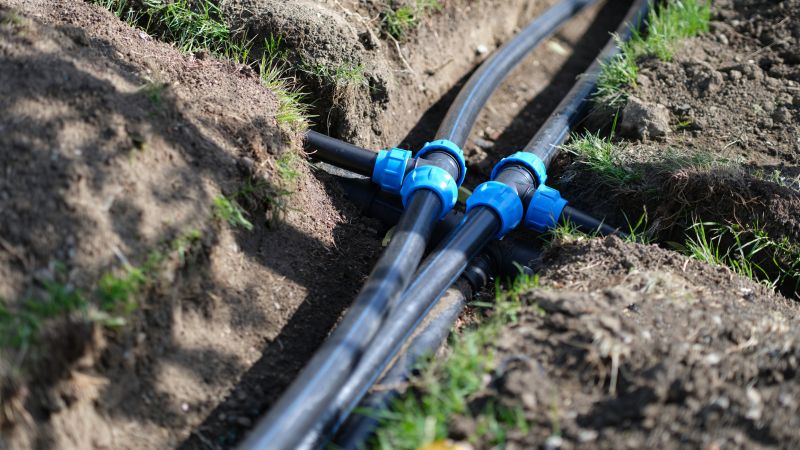
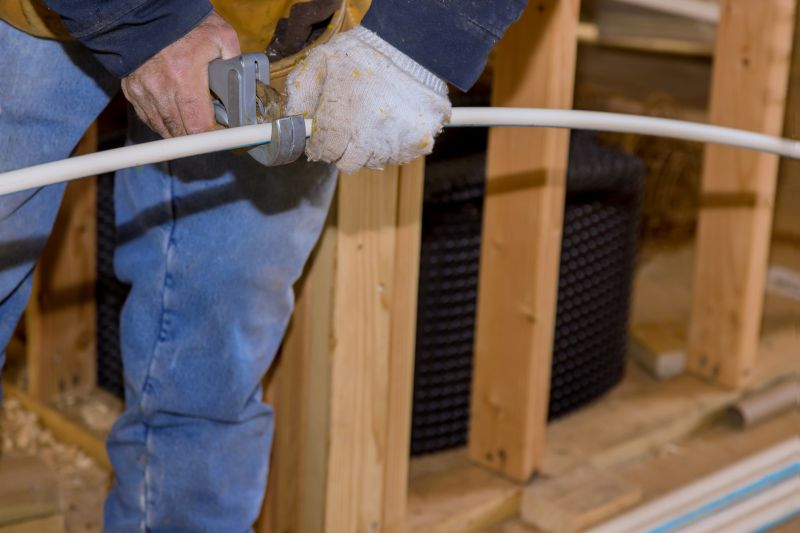
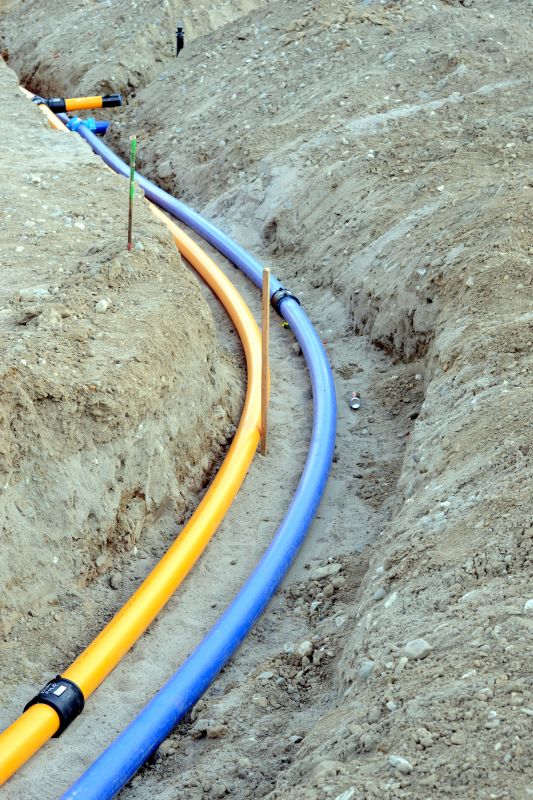
Plumbing line installation services involve setting up new pipes or replacing existing ones that carry water, waste, or other fluids throughout a property. This process typically includes planning the layout of the lines, selecting appropriate materials, and ensuring proper connections to fixtures such as sinks, toilets, and appliances. Professional contractors focus on installing durable, efficient piping systems that meet the specific needs of each property, whether it's a new build or an upgrade to an older plumbing network.
These services help address a variety of common plumbing issues. For example, outdated or damaged pipes can cause leaks, low water pressure, or frequent clogs. Installing new lines can prevent water damage and improve the overall functionality of a plumbing system. Additionally, new line installations are often necessary when remodeling a bathroom or kitchen, or when expanding a property to accommodate additional fixtures or appliances. Proper installation ensures reliable operation and reduces the likelihood of future plumbing problems.
Property types that typically require plumbing line installation include residential homes, multi-family buildings, and commercial properties. Homeowners might need new lines when constructing an addition, renovating, or replacing aging pipes. Multi-unit dwellings often require extensive piping work to serve multiple units efficiently. Commercial properties, such as restaurants or retail spaces, may need specialized plumbing systems to support their operational needs. Local contractors are equipped to handle these varied property types, providing tailored solutions that fit the specific plumbing requirements.
Homeowners generally turn to plumbing line installation services when experiencing persistent leaks, signs of pipe corrosion, or planning major renovations. These services are also essential when installing new fixtures, upgrading to modern piping materials, or addressing code compliance issues. By working with experienced local service providers, property owners can ensure that their plumbing systems are installed correctly and function effectively, helping to prevent costly repairs and maintain a comfortable, functional home or commercial space.
The overview below groups typical Plumbing Line Installation projects into broad ranges so you can see how smaller, mid-sized, and larger jobs often compare in your area.
In many markets, a large share of routine jobs stays in the lower and middle ranges, while only a smaller percentage of projects moves into the highest bands when the work is more complex or site conditions are harder than average.
Smaller Repairs - Most routine plumbing line repairs, such as fixing leaks or replacing a section of pipe, typically cost between $250 and $600. These projects are common and tend to fall within this middle range, though costs can vary based on pipe material and accessibility.
Fixture Installations - Installing new fixtures like sinks or toilets generally ranges from $150 to $400 for many local contractors. Larger, more complex installations or upgrades may push costs higher, but most projects stay within this typical band.
Full Line Replacement - Replacing an entire plumbing line can range from $2,000 to $5,000 or more depending on the property's size and pipe material. While some projects reach higher, most fall into the $2,000-$3,500 range for standard homes.
Large-Scale Renovations - Major plumbing overhauls for remodels or additions can cost $5,000 or more. These larger projects are less common and tend to be at the higher end of the cost spectrum, reflecting increased scope and complexity.
Actual totals will depend on details like access to the work area, the scope of the project, and the materials selected, so use these as general starting points rather than exact figures.
Bathroom Plumbing Remodels - involve installing and rerouting water supply and drainage lines, requiring similar planning and pipe fitting skills as plumbing line installation.
Kitchen Sink and Fixture Installations - require precise connection of water lines and drainage systems, closely related to the skills used in plumbing line setup.
Water Heater Installation - involves connecting new water supply lines and ensuring proper drainage, sharing techniques with plumbing line installation projects.
Underground Drainage System Installation - includes laying out and connecting underground pipes, which demands similar planning and pipe fitting expertise.
Sewer Line Repair and Replacement - involves working with large-diameter pipes and trenching, sharing tools and planning considerations with plumbing line installation.
Hydronic Heating System Setup - requires installing and connecting piping for hot water circulation, utilizing skills similar to those in plumbing line projects.
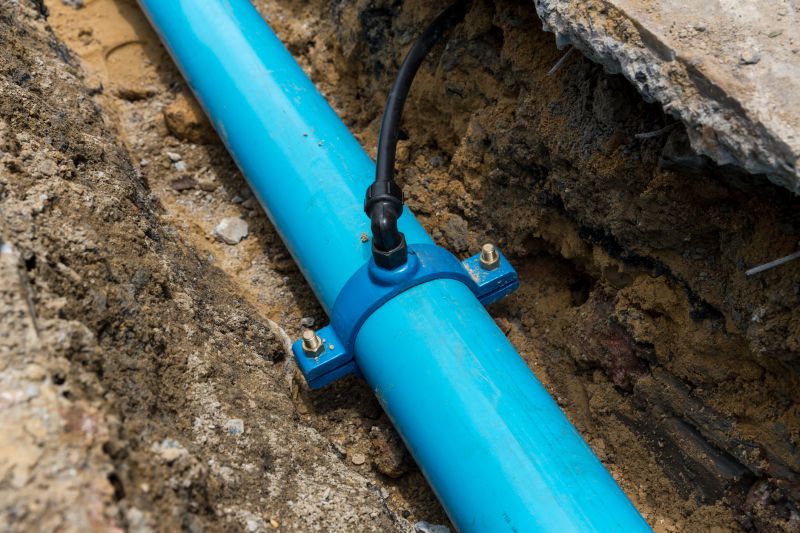
When evaluating local contractors for plumbing line installation, it’s important to consider their experience with similar projects. Homeowners should look for service providers who have a proven track record handling tasks comparable in scope and complexity. An experienced contractor is more likely to understand potential challenges, use appropriate techniques, and deliver results that meet expectations. Asking for examples of past work or references related to plumbing line installations can provide insight into their familiarity with this type of project and help ensure the chosen professional has the relevant expertise.
Clear written expectations are essential for a smooth project process. Homeowners should seek service providers who can articulate their approach, outline what the job entails, and specify the materials or methods they plan to use. Having these details documented helps prevent misunderstandings and ensures everyone is aligned on the scope of work. When discussing options with local contractors, it’s beneficial to clarify what services are included, what the timeline might look like, and any other relevant details, so that expectations are transparent from the outset.
Good communication and reputable references are key indicators of a dependable service provider. Homeowners should look for local contractors who are responsive, willing to answer questions, and provide clear information throughout the process. Additionally, asking for references from previous clients can help verify the contractor’s reliability and quality of work. Connecting with service providers who prioritize open communication and have positive feedback from past customers can lead to a more confident decision and a successful plumbing line installation experience.
Property owners use Plumbing Line Installation services for practical projects around their homes and businesses. This guide focuses on everyday jobs and straightforward project options.
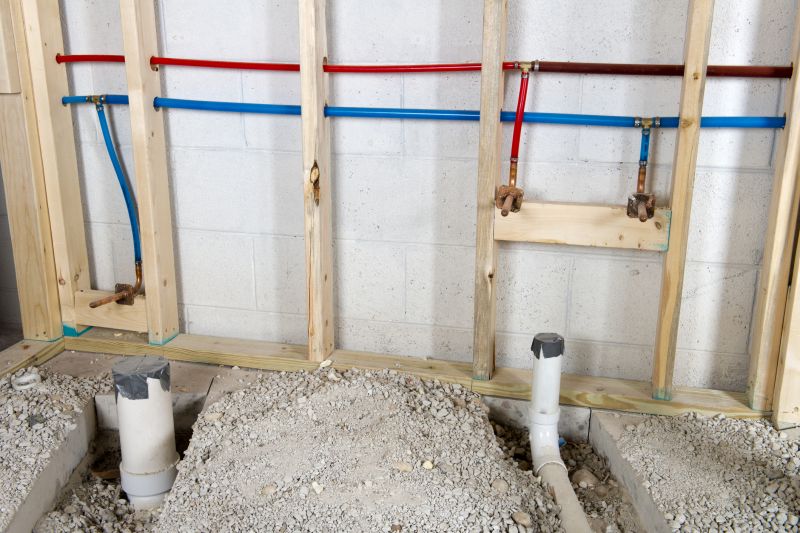
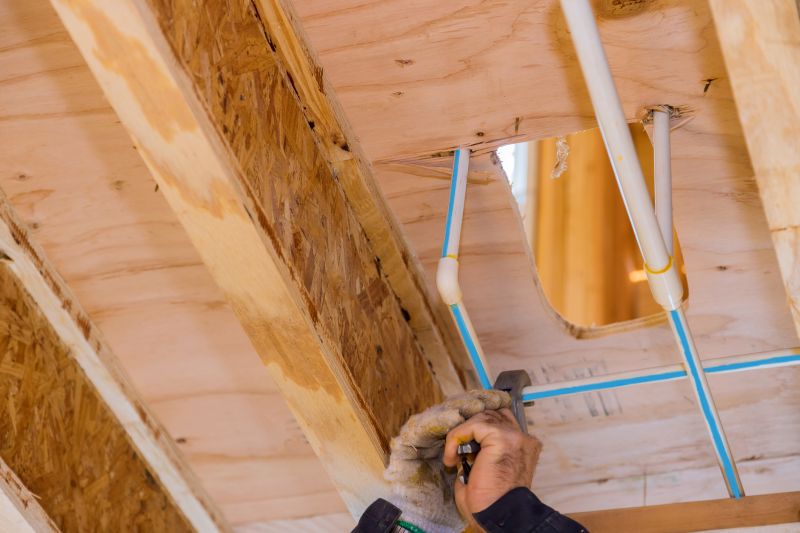
Plumbing line installation services are often needed during major property renovations, new construction projects, or when existing pipes have become outdated or damaged. Property owners may seek local contractors to replace old or corroded pipes, install new plumbing lines for additions or remodels, or upgrade systems to improve water flow and reliability. These projects typically arise from everyday situations such as repairing leaks, preventing future issues, or ensuring that plumbing infrastructure meets the current needs of the property.
Local service providers are available to handle a variety of line installation needs, whether for residential or commercial properties. Homeowners and property managers might look for experienced contractors to install new water lines, reroute existing pipes, or set up plumbing for appliances and fixtures. Connecting with local pros ensures that the work is done efficiently and in accordance with the property’s specific requirements, helping to maintain proper plumbing function and avoid costly problems down the line.
What is involved in plumbing line installation? Plumbing line installation includes connecting new pipes to existing plumbing systems, ensuring proper flow and pressure, and fitting fixtures as needed. Local contractors handle these tasks to ensure proper setup and compliance with building standards.
Do I need to prepare my property before plumbing line installation? Generally, it's recommended to clear the work area and provide access to existing plumbing points. Service providers can advise on any specific preparations based on the scope of the project.
What types of pipes are used in plumbing line installation? Common materials include copper, PEX, and PVC, each suitable for different applications. Local contractors can recommend the best options based on your plumbing needs and local building codes.
Can plumbing lines be installed in existing structures without major disruptions? Yes, experienced local service providers can often install or replace plumbing lines with minimal disruption, using techniques that suit the structure’s layout.
How do I find qualified local contractors for plumbing line installation? This site helps connect with local service providers who specialize in plumbing line installation, allowing comparisons to find the right fit for your project.
New Plumbing Line Installation - Property owners can have local contractors install new water lines for kitchen or bathroom upgrades to improve functionality.
Remodeling or Renovation Projects - Homeowners planning renovations can work with local service providers to update or reroute plumbing lines for new layouts.
Adding Outdoor Water Features - Property owners interested in installing outdoor fountains or irrigation systems can connect with local pros for proper plumbing setup.
Repair or Replacement of Existing Lines - Those experiencing leaks or low water pressure can find local contractors to replace or repair aging or damaged plumbing lines.
If you are thinking about Plumbing Line Installation for a property, this guide is meant to help you understand the work, the typical project types, and how different options might fit your plans.
When you are ready, you can use the quote form on this page to share a few details about your project. From there, local pros can review the basics and respond with options that match what you have in mind.